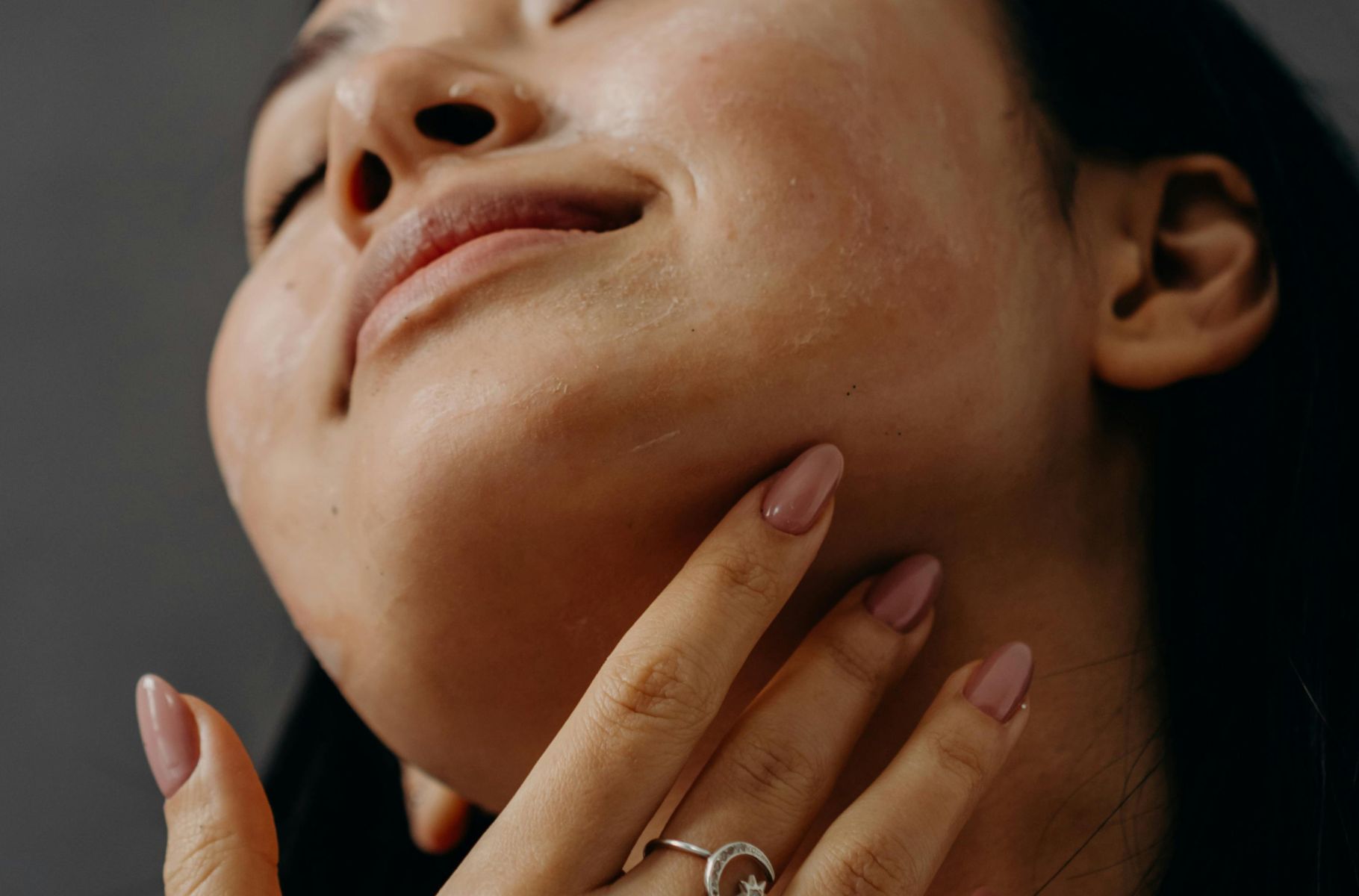
I wrote this piece for Grazia Singapore after noticing how many people — including myself at various points — had been treating the wrong thing for months. Fungal acne looks almost identical to bacterial acne, lives in the same places, and is stubbornly resistant to everything in the standard acne toolkit. In Singapore’s climate specifically, it’s more common than most skincare content acknowledges.
The article covers how to tell fungal acne and seborrhoeic dermatitis apart, why Singapore’s heat and humidity make both significantly more likely, and which everyday skincare ingredients are actively feeding the problem rather than solving it. There’s also a full treatment guide — including some genuinely accessible fixes that work faster than you’d expect once you’re treating the right thing.
If you’ve ever been three courses of antibiotics deep with skin that still won’t behave, this one is worth reading.
Related reading on tomtorials
Two products from the treatment guide feature in my barrier repair moisturisers guide: La Roche-Posay Cicaplast Baume B5 and Vanicream Moisturizing Cream are both Malassezia-safe and among my top picks for skin that needs to recover without the risk of feeding a flare.
Products mentioned in the article
The following products are referenced in the Grazia article. Shopee Singapore affiliate links to be added.
- Nizoral Anti-Dandruff Shampoo (2% Ketoconazole)
- Head & Shoulders Classic Clean Shampoo (Zinc Pyrithione)
- Minimalist CPH Complex + Oligopeptide 0.8% Anti-Dandruff Serum
- Mycoban Topical Antifungal Cream (Miconazole Nitrate 2%)
- Clotrimazole Cream 1%
- Paula’s Choice Skin Perfecting 2% BHA Liquid Exfoliant
- La Roche-Posay Cicaplast Baume B5
- Vanicream Moisturizing Skin Cream
- Best Air Purifiers (Singapore 2026)

- Best Sunscreens for Oily Skin (Singapore 2026)

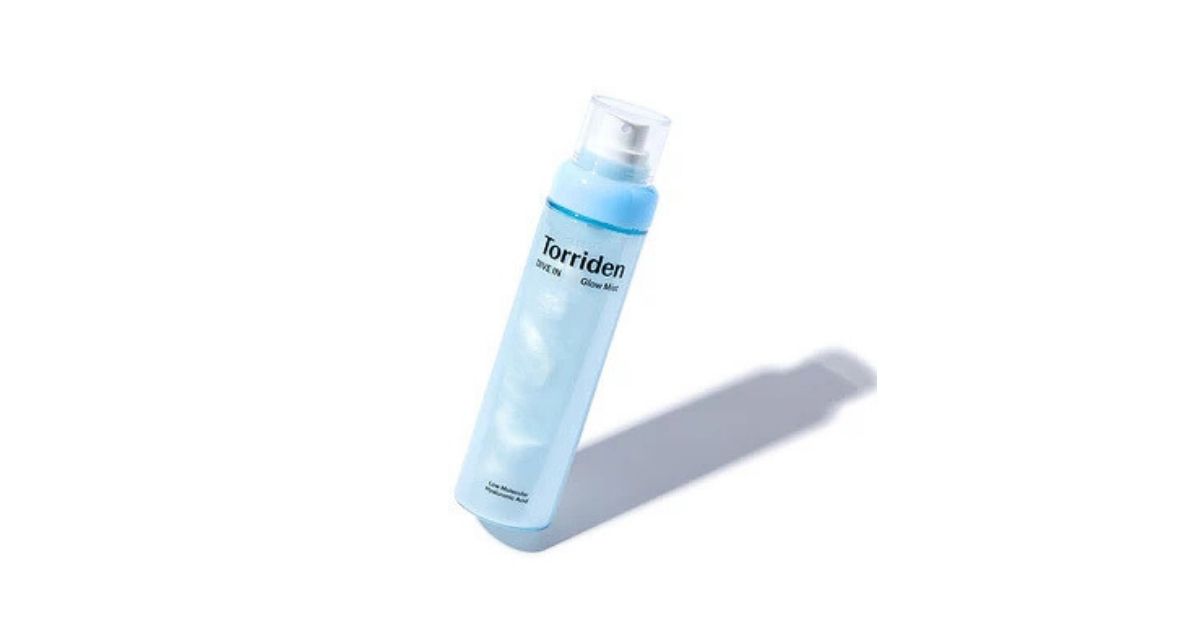
- Torriden Dive-In Glow Mist Review: A Reliable Hydration Reset for Dry and Dehydrated Skin

Disclosure: This post contains affiliate links. If you purchase through these links, I may earn a small commission at no extra cost to you. I only recommend products I genuinely believe are worth buying.

One response to “Is Face Fungus Ruining Your Skin? My Grazia Deep Dive on Fungal Acne”
[…] problematic for most skin types, but it does mean the brief is correct — if you’re managing fungal acne, this mist should be […]