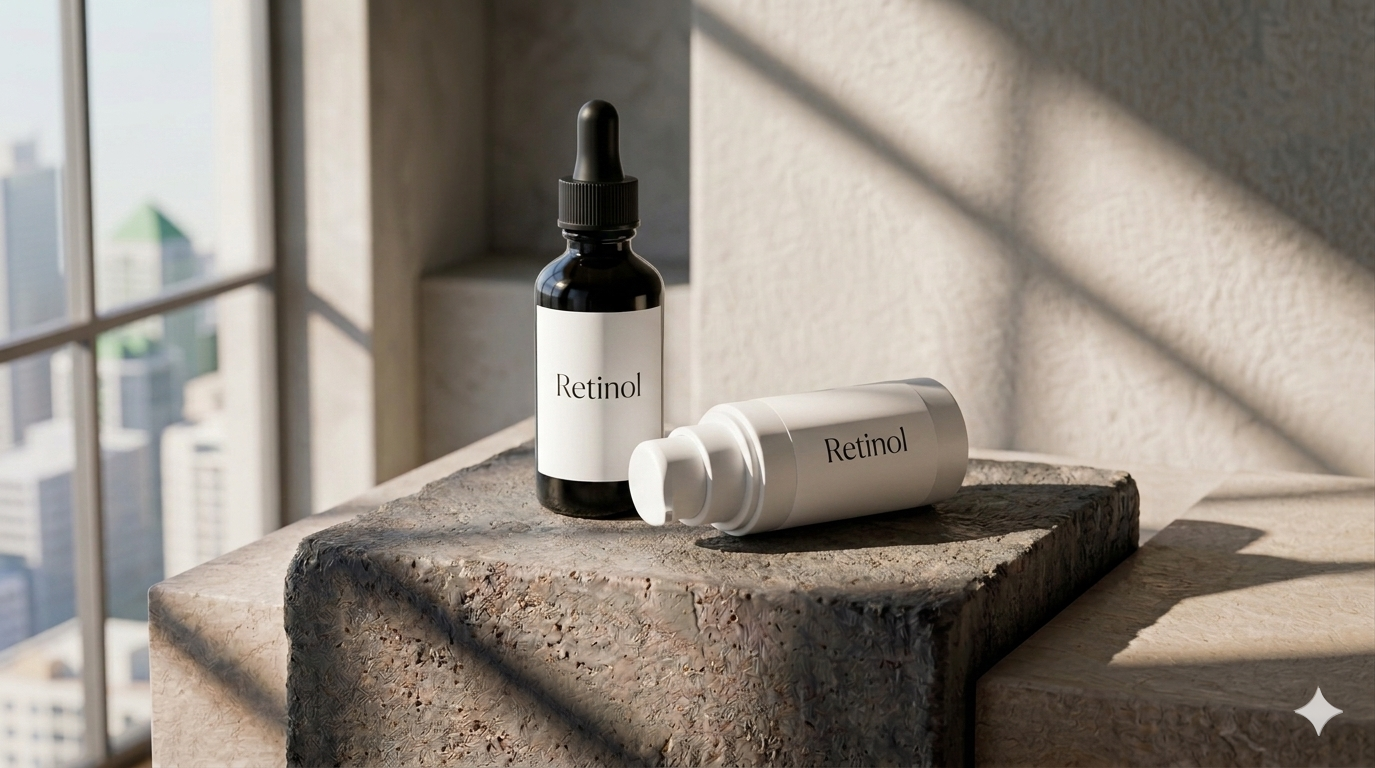
Retinol is one of the most researched ingredients in skincare, with decades of clinical evidence behind it. If you have not used it before, the hardest part is not finding a product. It is knowing where to start. These six are the best pure retinol serums available in Singapore, ordered from beginner-friendly to clinical-strength, with a buying guide that explains exactly how to work up the ladder.
Quick Comparison
| Product | Retinol % | Best For | Texture |
|---|---|---|---|
| The Ordinary Retinol 0.2% in Squalane | 0.2% | Complete beginners | Lightweight oil |
| CeraVe Skin Renewing Retinol Serum | Encapsulated retinol | Beginners, sensitive skin | Light lotion |
| The Ordinary Retinol 1% in Squalane | 1% | Experienced users | Lightweight oil |
| Paula’s Choice 1% Retinol Booster | 1% | Combination and oily skin | Lightweight serum |
| Paula’s Choice Clinical 1% Retinol Treatment | 1% | Dry skin, anti-ageing focus | Rich cream-serum |
| SkinCeuticals Retinol 0.3 | 0.3% | Sensitive skin, clinical use | Light cream |
1. The Ordinary Retinol 0.2% in Squalane

The best starting point for anyone new to retinol. The Ordinary’s 0.1% formula delivers pure retinol in a squalane base, an emollient that cushions the skin and reduces the irritation that typically comes with introducing a vitamin A derivative. At this concentration, you get real activity without the week-one purge that puts most people off retinol entirely. It is straightforward, fragrance-free, and priced low enough that I think of it as a commitment-free experiment rather than a risk.
Key ingredients
Retinol 0.2%, Squalane
Best for
Complete beginners, all skin types
Texture
Lightweight oil
2. CeraVe Skin Renewing Retinol Serum

CeraVe’s approach to retinol is encapsulation, which delivers retinol in a slow-release form that significantly reduces irritation compared to standard retinol at the same concentration. The formula also includes ceramides and niacinamide, which actively support the skin barrier while the retinol does its work. I would point anyone with sensitive or eczema-prone skin here first. It is the safest on-ramp to retinol I know of at this price point.
Key ingredients
Encapsulated Retinol, Ceramides, Niacinamide
Best for
Sensitive, eczema-prone, and barrier-compromised skin
Texture
Light lotion
3. The Ordinary Retinol 1% in Squalane

Once you have spent three to six months on the 0.2% and your skin has acclimatised, the 1% is the logical next step. The formula is identical in structure: pure retinol in a squalane base, fragrance-free, no unnecessary additions. At 1%, you are in clinical territory. Expect more visible results on fine lines, texture, and pigmentation, and expect a short adjustment period. Introduce it two nights a week before building to nightly use.
Key ingredients
Retinol 1%, Squalane
Best for
Experienced retinol users stepping up concentration
Texture
Lightweight oil
4. Paula’s Choice 1% Retinol Booster

Paula’s Choice designed the Retinol Booster for flexibility. It can be used alone or mixed into your existing moisturiser to dial down intensity during the adjustment phase. At 1% pure retinol it is full strength, but the lightweight serum texture and the addition of peptides and vitamin C make it better suited to oily and combination skin than the richer Clinical treatment below. If I had oily skin and wanted to step up to 1%, this is the one I would reach for.
Key ingredients
Retinol 1%, Peptides, Vitamin C
Best for
Oily and combination skin, experienced users
Texture
Lightweight serum
5. Paula’s Choice Clinical 1% Retinol Treatment

The Clinical Treatment is the richer sibling to the Booster, same retinol concentration but a different vehicle. The cream-serum texture includes peptides and vitamin C alongside the retinol, formulated for drier skin types that need more emolliency in their evening routine. It is the better option if anti-ageing is the primary concern rather than texture or pore refinement. Fragrance-free and non-comedogenic.
Key ingredients
Retinol 1%, Peptides, Vitamin C
Best for
Dry skin, mature skin, anti-ageing focus
Texture
Rich cream-serum
6. SkinCeuticals Retinol 0.3

SkinCeuticals takes a different approach to concentration. Their 0.3% is formulated at a specific pH with bisabolol and borage seed oil, designed to maximise retinol conversion while minimising irritation. In practice it feels stronger than the number suggests, which is the point. I would recommend it for anyone who wants clinical-grade results but has skin that does not tolerate high concentrations well, or for anyone easing back into retinol after a break.
Key ingredients
Retinol 0.3%, Bisabolol, Borage Seed Oil
Best for
Sensitive skin, clinical results without high concentration
Texture
Light cream
How to Choose and Use Retinol
The most important decision when choosing a retinol is concentration, and for almost everyone the answer is to start lower than you think you need. Pure retinol at 0.2% is not a weak product. Most people just give up before it gets interesting. It is an effective formula your skin can adjust to without the peeling and dryness that puts most people off retinol before they see results. After two to three months at a lower concentration, stepping up is straightforward and your skin will tolerate the higher concentration far better for having adapted first. If you have sensitive or eczema-prone skin, the CeraVe encapsulated formula is worth starting with, as the slower release rate makes the adjustment period significantly gentler. Pure retinol derivatives like HPR and bakuchiol are not included here, not because they are useless, but because pure retinol has the strongest clinical evidence and the most predictable results.
In Singapore’s climate, retinol is a night-only ingredient. It degrades in UV exposure and increases photosensitivity, which matters more at this latitude than in a temperate climate. Apply SPF50+ every morning without exception. A good routine while introducing retinol is simple: gentle cleanser, retinol, barrier cream. Once your skin has adjusted over six to eight weeks, you can layer other actives back in. If you are already using tretinoin prescribed by a dermatologist, you do not need any of these. Tretinoin is significantly stronger than OTC retinol and is a separate conversation.
Frequently Asked Questions
What is the difference between retinol and tretinoin?
Both are forms of vitamin A, but tretinoin (retinoic acid) is prescription-strength and works directly on the skin without needing to be converted. Retinol is an over-the-counter precursor that the skin converts to retinoic acid, a slower process, but one that produces significantly less irritation. Tretinoin produces faster results at equivalent timescales, but retinol used consistently over six to twelve months delivers meaningful improvements in texture, pigmentation, and fine lines. If you want tretinoin in Singapore, you will need a prescription from a dermatologist or GP.
What percentage of retinol should a beginner start with?
0.1% to 0.3% is the right starting range for most people. I recommend The Ordinary 0.2% as the first purchase. It is low enough to minimise irritation while still being active, and affordable enough that committing to the three months it takes to see real results does not feel like a risk. Avoid starting at 1% unless you have used retinol before and are returning after a break.
Can I use retinol every night?
Not when you are starting out. Begin with two nights a week for the first four weeks, then increase to three or four nights, then nightly if your skin tolerates it. There is no performance benefit to using retinol every night if your skin is not ready for it. The irritation will set back your progress more than the extra application gains.
Should I use retinol if I have acne-prone skin?
Yes. Retinol is one of the most effective OTC ingredients for acne-prone skin. It accelerates cell turnover, which helps prevent the clogged pores that lead to breakouts, and reduces post-acne marks over time. Some people experience an initial purge when they start retinol, a temporary increase in breakouts as the skin pushes congestion to the surface. This typically resolves within four to six weeks. If you are concerned, start at 0.2% and introduce it slowly.
Is retinol safe to use in Singapore’s climate?
Yes, with one non-negotiable condition: SPF50+ every morning. Retinol increases photosensitivity, and Singapore’s UV index is extreme year-round. Used at night with consistent SPF in the morning, retinol is safe and effective in a tropical climate. Do not use it in the mornings or on days when you are spending extended time outdoors without sun protection.
What is the difference between retinol and bakuchiol?
Bakuchiol is a plant-derived ingredient sometimes marketed as a natural retinol alternative. It has some evidence behind it, but the clinical data is far thinner than it is for retinol, and the mechanism is different. Bakuchiol is not included on this list because the post is specifically about pure retinol, the ingredient with the strongest, most replicated evidence for improving skin texture, pigmentation, and fine lines. If you tolerate retinol, there is no evidence-based reason to switch.
You Might Also Like
- Best Air Purifiers (Singapore 2026)

- Best Sunscreens for Oily Skin (Singapore 2026)

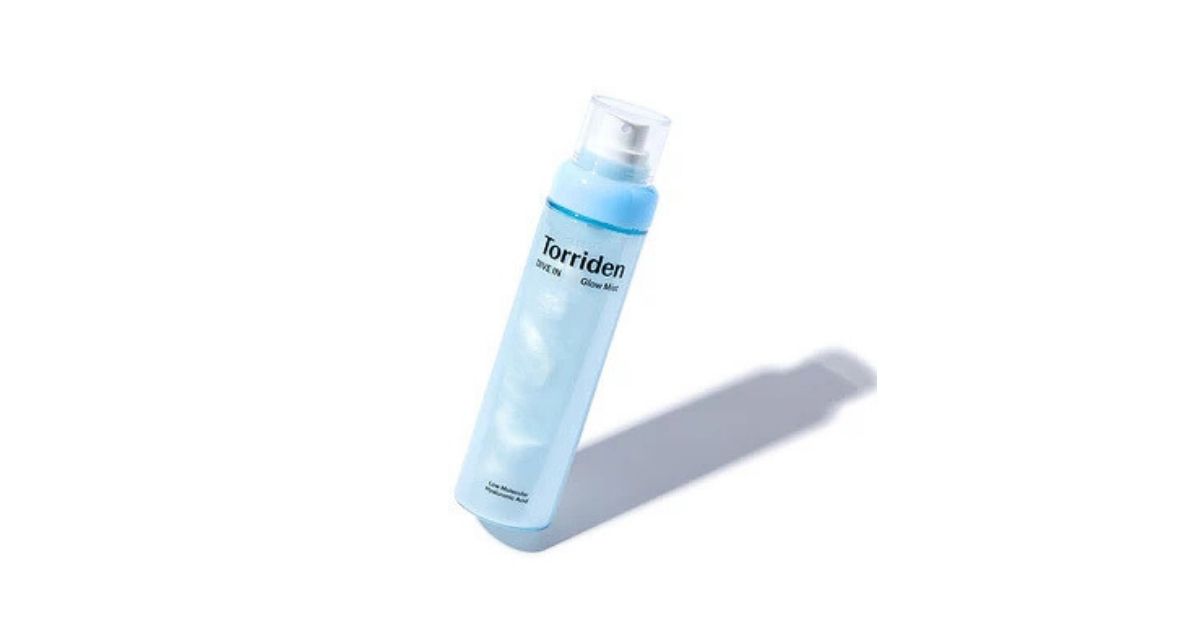
- Torriden Dive-In Glow Mist Review: A Reliable Hydration Reset for Dry and Dehydrated Skin

Disclosure: This post contains affiliate links. If you purchase through these links, I may earn a small commission at no extra cost to you. I only recommend products I genuinely believe are worth buying.

One response to “Best Retinol Serums for Beginners (Singapore 2026)”
[…] brief enough to tolerate even at higher frequency. If you’re already using a leave-on BHA or retinol in your evening routine, you don’t need an active cleanser at both ends of the day. Pick one […]